Maintaining Peak Performance With Norweco Singulair Green
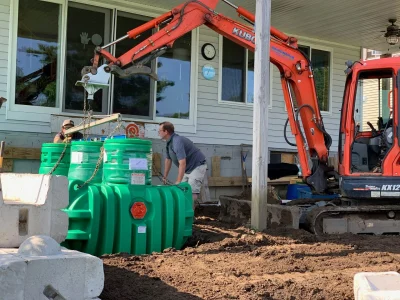
A Norweco Singulair Green system is not the kind of equipment most property owners think about every day, and that is usually a good sign. When an onsite wastewater treatment unit is doing its job, it disappears into the routine of the property. Fixtures drain normally. The yard stays dry. Odors stay absent. Effluent quality remains where it should be. The trouble starts when owners assume a high-performance treatment system can run indefinitely with no attention at all.
That assumption gets expensive.
Advanced onsite systems are built to deliver better treatment than a conventional septic tank alone, but better treatment comes with a basic maintenance obligation. The good news is that keeping a norweco singulair green unit performing well does not require constant tinkering. What it does require is consistency, a working knowledge of how the system behaves, and the discipline to respond early when something shifts.
I have seen two properties with nearly identical equipment produce very different results over ten years. The difference was not luck. It was care. One owner followed service intervals, kept surface water away from the treatment area, and paid attention to small warning signs. The other flushed wipes, ignored a noisy component for months, and treated the service alarm as background decoration. One system stayed stable. The other consumed money in bursts.
What peak performance really means
With a system like norweco singulair green, peak performance is not just about whether wastewater disappears down the drain. That is the lowest bar. Real performance means the unit is treating wastewater as designed, protecting the dispersal area, avoiding nuisance conditions, and staying compliant with whatever local requirements govern advanced treatment systems.
In practice, peak performance usually shows up in ordinary ways. Indoor plumbing works normally. Toilets flush without backup. The air around risers or treatment components does not carry a sewage smell. The turf above and around the system looks consistent rather than saturated or abnormally lush in one strip. Mechanical components cycle as expected. Service technicians find predictable solids levels and clean internal conditions rather than evidence of chronic neglect.
Owners sometimes underestimate the importance of protecting treatment quality upstream of the drainfield or dispersal area. A treatment unit that starts slipping does not always fail dramatically right away. More often, it loses margin. Solids escape where they should not. Oxygen transfer drops. Settling worsens. Water quality declines slowly enough that the homeowner notices nothing until the field is stressed, the alarm trips repeatedly, or the site develops odors after rain. By then, the problem is usually older than it looks.
Why these systems reward disciplined ownership
Conventional septic setups can be forgiving for a time. Advanced units tend to be more precise. That is not a flaw. It is the trade-off for stronger treatment in places where soil, lot size, environmental sensitivity, or permitting conditions demand more than a basic tank-and-field arrangement.
A norweco singulair green installation often serves properties that need dependable treatment under tighter site constraints. That means the system is part wastewater plant, part household infrastructure. It depends on biology, hydraulics, and mechanical reliability all working together. When one of those pieces drifts, the whole process feels it.
Think of it like owning a standby generator or a high-efficiency boiler. It is reliable when maintained, but reliability is not the same thing as neglect tolerance. A clogged air intake, a worn compressor component, or an overdue solids pump-out can quietly reduce performance long before the owner notices a symptom at the kitchen sink.
The maintenance mindset that works
The owners who get the best lifespan and least drama from an advanced treatment system usually share the same mindset. They do not obsess over it, but they respect it. They understand that wastewater equipment is not passive infrastructure. It handles a difficult job every day, under variable loading, with biology that can be disrupted by habits inside the house and water movement outside it.
That mindset means reading the manufacturer documentation, keeping a service record, and treating the system alarm as a real event rather than an inconvenience. It also means knowing that not every issue can be solved with a pump-out. I have seen owners request pumping when the real problem was excess hydraulic loading from a running toilet, roof drainage saturating the area, or a failing aeration component that had nothing to do with tank capacity.
Good maintenance is diagnostic as much as it is preventive.
Daily household habits that protect treatment quality
Most failures blamed on equipment begin as use-pattern problems. Advanced onsite systems can handle ordinary residential wastewater, but they are not designed to digest every product sold in the cleaning aisle. Owners protect the norweco singulair green system first by controlling what enters it.
Flushable wipes remain one of the worst repeat offenders, even when the package suggests otherwise. They snag, mat, and accumulate in ways that toilet paper does not. Grease is another common issue. It may leave the skillet in liquid form, but it cools and congeals in plumbing and treatment chambers. Harsh disinfectants, paint products, solvents, and large doses of antibacterial cleaners can interfere with biological treatment, especially when used heavily in a short window.
The challenge is cumulative loading. A single poor choice may not create an obvious upset. Repeated habits do. One household with modest water use and sensible disposal practices can keep a system stable for years. Another household with frequent parties, long showers, overloaded laundry weekends, and indiscriminate chemical dumping can stress the same model in one season.
Water volume matters almost as much as water quality. Leaking fixtures, softener backwash arrangements, and concentrated laundry loads all affect hydraulic conditions. Spread out high-water activities when possible. Repair silent toilet leaks quickly. If the property has intermittent occupancy, such as a vacation home, ask your service provider how startup and idle periods affect monitoring and service timing.
Mechanical reliability is part of treatment reliability
People often think of wastewater treatment as mostly biological, and that is only partly true. In advanced systems, the biology relies on the mechanics. If air delivery weakens, mixing changes, oxygen transfer suffers, and treatment quality follows. If pumps, controls, or alarm systems are not working correctly, the treatment process loses one of its safeguards.
That is why routine inspections matter even when nothing seems wrong. A technician can hear the difference between a healthy component and one beginning to wear. They can spot unusual scum buildup, solids carryover, infiltration, corrosion, or evidence that maintenance timing is drifting too far out. Small mechanical issues are usually norweco singulair green excavatingnj.com cheaper when addressed early. Left alone, they become process problems.
One of the costliest owner mistakes is delaying service because the household is still “getting by.” Wastewater systems rarely fail on a schedule convenient to the owner. They fail on holiday weekends, during heavy occupancy, after storms, or in wet seasons when access is miserable and replacement parts are harder to source quickly.
Service intervals are not suggestions
Every manufacturer and local health authority may set different expectations for inspections, service contracts, and pumping frequency, so the right schedule for one site is not automatically right for another. That said, advanced treatment units generally benefit from regular professional observation. In many jurisdictions, that is not optional.
A useful maintenance record should include inspection dates, technician findings, alarm events, parts replaced, sludge and scum observations, pumping dates, and any changes in household occupancy. This sounds administrative, but it pays off. Trends matter. If solids accumulation speeds up over two or three service visits, that tells a story. If nuisance alarms cluster after peak guest weekends, that also tells a story. Patterns are easier to fix than mysteries.
Owners sometimes ask whether pumping on a rigid calendar is enough. It is not. Pumping is important, but it is only one part of maintenance. A tank can be recently pumped and still have an aeration issue, control fault, or hydraulic overload. Conversely, a unit may not need pumping solely because a date arrived if actual solids levels remain within acceptable limits. This is where experienced field judgment matters.
Seasonal conditions can change system behavior
Onsite wastewater treatment never operates in a vacuum. Rainfall, groundwater, freezing conditions, landscaping changes, and occupancy swings all affect performance. Peak operation through the year depends on recognizing those seasonal pressures before they become system stress.
During wet periods, surface runoff is a frequent enemy. Water should not be allowed to flow toward treatment components, risers, or the dispersal area. Saturated soils reduce the site's ability to accept treated effluent and can complicate both treatment and final disposal. In colder climates, traffic over shallow components can reduce insulating snow cover and contribute to freezing risk. In warmer months, vacation rentals or multigenerational gatherings can push daily flow far above normal design assumptions.
A practical seasonal review often catches problems while they are still easy to manage:
- Walk the area after heavy rain and note any ponding, soggy soil, or water tracking toward system components.
- Listen for changes in mechanical sound at the control or treatment unit if you are familiar with its normal operation.
- Watch indoor plumbing for slow drains or gurgling that appears during high-use periods.
- Check riser lids and access covers for damage, shifting, or signs of infiltration.
- Schedule service before peak occupancy, not after it.
That simple routine has saved many owners from learning about a small drainage or loading issue only after guests arrive.
The role of solids management
Solids are predictable, but they are not harmless. Every onsite treatment system accumulates them. The real question is whether those solids remain where they belong and are removed before they interfere with treatment or move downstream.
In a norweco singulair green system, solids management supports every other aspect of performance. Excess sludge reduces effective volume. Disturbed settling conditions can carry suspended matter into later treatment stages or toward final dispersal components. Once solids begin traveling where they should not, maintenance becomes more expensive and less certain.
This is one reason experienced service technicians inspect more than one indicator. They are looking at sludge depth, scum behavior, clarity, component condition, and evidence of abnormal carryover. A homeowner peering into a riser without context usually cannot tell whether a tank is healthy, overloaded, or one busy holiday weekend away from trouble.
There is also a common misconception that additives can replace solids management. Most of the time, that is wishful thinking. Additives are heavily marketed in the onsite world, but they do not exempt an owner from inspection or pumping. If anything, they often distract from the real work of maintenance.
Alarm conditions deserve immediate attention
One of the clearest signs that owners misunderstand their wastewater system is how often alarms are ignored. If an audible or visual alarm activates, the system is not asking for patience. It is asking for investigation.
An alarm does not always mean catastrophic failure. It may indicate high water, power interruption, a component fault, or another operational condition that needs correction. But the right response is always prompt attention. Waiting to see whether it “goes away” can turn a manageable issue into a backup, overflow, or damaged treatment process.
The first step is usually to reduce water use until the cause is identified. Then contact the service provider. If the system manual outlines safe owner actions, follow those and no more. Wastewater systems are not a place for guesswork with electrical controls or mechanical adjustments.
Owners should also know where the service contact information is before they need it. I recommend keeping it inside the house near the electrical panel or utility records, not only in a phone that may not be handy when the alarm sounds late at night.
When performance drops without a dramatic failure
Some of the most important maintenance calls come from owners who notice something subtle rather than severe. A faint odor near a vent that was never noticeable before. Grass above part of the site that stays damp longer than the rest of the yard. Toilets that seem slower during laundry days. A technician who reports solids levels are climbing faster than expected.
These are useful observations. They indicate loss of margin.
In the field, the properties that avoid major repairs are often the ones where owners mention these small changes early. They do not need to diagnose the issue themselves. They just need to report it while the system is still functioning well enough to reveal the problem without collateral damage.
Here are five signs that justify a service call sooner rather than later:
- Persistent sewage or musty odors near the system area or discharge point.
- Repeated alarm activity, even if the system seems to recover.
- Wet soil, lush strips of grass, or standing water near treatment or dispersal components.
- Sudden changes in plumbing behavior, especially during normal household use.
- Unusual mechanical noise, vibration, or silence where equipment normally operates.
None of those signs should be normalized. Owners get into trouble when they adapt to a symptom instead of correcting the cause.
Landscaping, access, and site protection matter more than people think
A surprising number of service headaches come from what is happening above ground rather than inside the tank. Heavy vehicle traffic over buried components can compact soils, damage piping, and make future repairs harder. Deep-rooted plantings too close to treatment areas can create long-term interference. Decorative grading projects sometimes redirect runoff exactly where it should not go.
I have also seen excellent systems become expensive to service simply because access was buried, blocked, or disguised. Technicians need to reach risers, controls, and components safely and efficiently. If every visit starts with moving planters, edging stones, stacked firewood, or patio furniture, the practical burden of maintenance rises. Eventually, owners delay routine service because it feels like a project.
A well-maintained site is not just neat. It is functional. Keep access points visible or clearly mapped. Protect the area from unnecessary traffic. Do not treat the treatment field or service area as spare parking.
Working with a qualified service provider
Not every plumber is an onsite treatment specialist, and not every septic pumper is the right person to assess advanced treatment equipment. A norweco singulair green system deserves a provider familiar with that class of system, local rules, and the signs of both mechanical and biological upset.
The best service relationships are ongoing rather than transactional. A provider who has seen your system over time understands its baseline behavior. They know whether the household size changed, whether a previous alarm traced to a specific component, whether solids accumulation is accelerating, and whether a wet-weather issue is recurring or new. That continuity can shorten diagnosis and reduce unnecessary work.
Ask good questions during service visits. What looks normal? What is beginning to drift? Are water use patterns affecting performance? Is the pumping schedule still appropriate? Are there site drainage issues worth correcting before the next wet season? Those conversations often prevent the next repair.
Cost control through prevention
Owners often focus on the cost of routine service without comparing it to the cost of deferred service. Preventive maintenance is usually far cheaper than emergency repair, site restoration, regulatory trouble, or dispersal field rehabilitation.
The numbers vary too much by region to state a universal figure responsibly, but the pattern is consistent. Scheduled inspections and timely component replacement cost less than after-hours diagnostics, wastewater backups, or major downstream damage. If a small air delivery issue is corrected early, it may remain a straightforward service call. If ignored, it may contribute to treatment decline, odors, solids movement, and a broader intervention.
That is the economics of onsite wastewater in a sentence: stable systems are cheaper than recovering systems.
A long service life depends on ordinary discipline
Most owners do not need to become wastewater experts to keep an advanced system healthy. They need better habits than average and faster reactions than average. Use the system responsibly. Keep records. Schedule service before failure. Protect the site from water and traffic. Treat alarms as urgent, not optional. Notice changes while they are still small.
That is how a norweco singulair green system delivers what it was installed to provide in the first place, dependable treatment with fewer surprises.
Peak performance is rarely the result of one dramatic fix. It comes from ordinary discipline repeated over time. In this part of property ownership, that quiet consistency is what keeps everything else working as it should.
Excavating New Jersey LLC
406 County Rd 565, Wantage, NJ 07461, United States
+1 973-791-4284
FAQ About norweco singulair green
How much does a NORWECO septic system cost?
The installed cost depends on the selected unit, engineering, site access, excavation, electrical work, disposal-field design and required approvals. A tank-only price is not a complete installation quote. Ask Excavating New Jersey LLC for a site-specific, itemized estimate that also explains ongoing service costs.
How does a Norweco septic system work?
The Singulair Green uses pretreatment, aeration, clarification and filtration to treat domestic wastewater. In the aeration chamber, oxygen supports bacteria that break down organic material. The Bio-Kinetic unit provides further filtration and flow equalization. Final effluent disposal must follow the property's approved design and applicable requirements.
What is the average lifespan of a septic system?
There is no guaranteed lifespan for every system. Design, installation, soil conditions, wastewater loading and regular maintenance all matter, and mechanical parts may need replacement before the tank. For a Singulair Green system, follow the manufacturer's service schedule and have a qualified provider assess its condition and pumping needs.